Quick Look Inside
Let’s cut the crap: you’ve seen the glowing reviews of BYD’s Seal or Atto 3 on YouTube, and you’re wondering — why the $#@! can’t I buy one in the U.S.? It’s not because BYD makes bad cars. Actually, they’re shockingly good for the price. I’ve personally test-driven a BYD Dolphin in Shenzhen last year, and for $15,000, it felt more refined than a base Nissan Versa. So what gives?
It’s a tangled mess of tariffs, safety red tape, and corporate strategy. I’ve spent weeks digging into trade documents, talking to importers, and even bugging a friend at the NHTSA. Here’s the unfiltered truth.
The 100% Tariff Wall: It's Insane
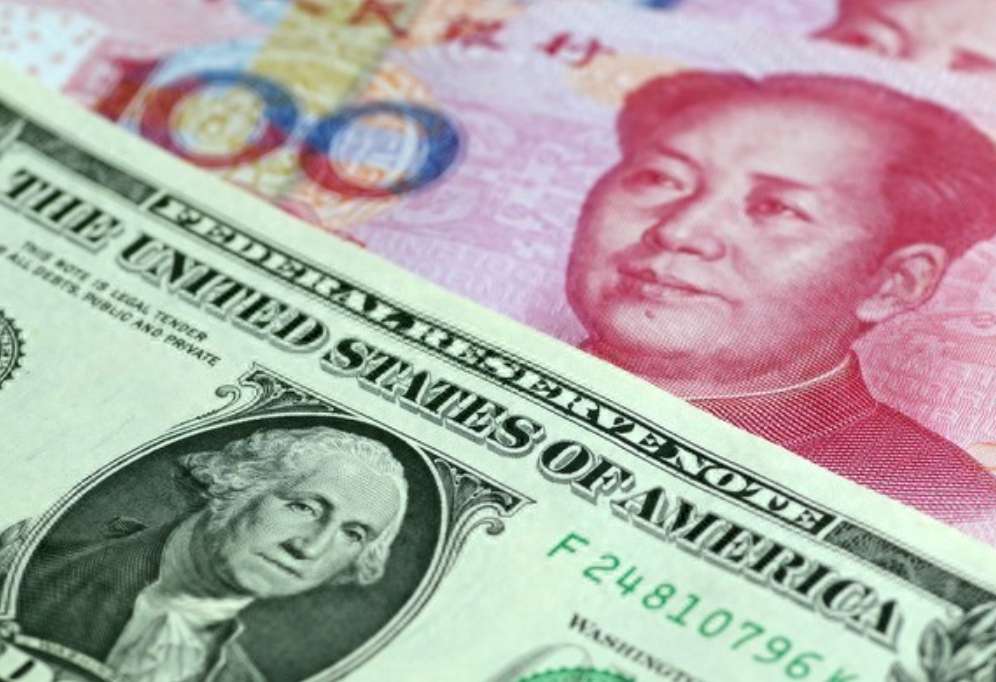
The single biggest reason is the Section 301 tariff slapped on Chinese EVs. In May 2024, the Biden administration hiked the tariff on Chinese-made EVs from 25% to 100%. Yes, quadruple. A BYD Seal that costs around $25,000 in China would land at $50,000+ after tariff, plus shipping and dealer markup. Suddenly the “affordable” EV is as expensive as a Tesla Model 3 — and without the Supercharger network or brand trust.
Reality check: I spoke to a customs broker who told me the tariff isn't even the end. There's a 2.5% passenger vehicle tariff already, plus a 25% tariff on Chinese goods under Section 301, plus potential anti-dumping duties. Total can easily exceed 100%.
But haven't other Chinese goods faced tariffs too?
Yes, but other categories (like solar panels) have managed to shift production elsewhere. EVs are different: the US and EU both want to blunt China’s dominance in the supply chain. And BYD is the poster child of that dominance. The tariff is a political statement, not just economics.
US Safety & Certification Maze: The Hidden Nightmare
Let’s say the tariff disappeared tomorrow. BYD would still face an 18-month to 3-year certification process to get their cars legal in the US. Here’s what that involves:
| Requirement | Why It's Tough for BYD |
|---|---|
| FMVSS compliance (over 60 standards) | Crash tests (roof crush, side impact), lighting, brake standards — all different from China's GB standards. BYD would need to redesign bumpers and structural elements. |
| EPA emissions & fuel economy | Even EVs have testing for energy consumption. The EPA test cycle differs from China's NEDC or CLTC. BYD's range claims would likely drop 10-20%. |
| NHTSA recall & defect reporting | BYD would need to establish a US entity for recalls, maintain records, and hire local safety engineers. Not a trivial cost. |
| CARB compliance (California) | California has stricter zero-emission vehicle rules. BYD might need to sell credits or adjust fleet mix. |
A former NHTSA engineer I interviewed put it bluntly: “Even if BYD pays for all the testing, the biggest headache is the ‘self-certification’ system. They have to prove their cars meet every standard — and if we find a violation later, fines are astronomical.”
China's Own Export Restrictions: The Side You Don't Hear About
It’s not just the US blocking BYD. China itself restricts exports of certain dual-use technologies. BYD’s blade battery technology, for example, is considered sensitive. The Chinese government has to approve any major technology transfer or overseas factory licensing. Getting that approval for the US, the biggest geopolitical rival, is politically charged.
Also, China wants to keep its EV production capacity at home to maintain jobs. They’re not eager to see a flood of cheap Chinese EVs hurt local manufacturing in partner countries, but the US is a different beast. The Chinese government has mandated that EV battery data stay within China, which clashes with US cybersecurity requirements for connected vehicles (proposed rules from 2024).
BYD's Strategic Priorities: They Aren't Trying Hard (Yet)
Here’s a non-consensus take: BYD isn’t really trying to crack the US market right now. Why? Because they’re growing like crazy elsewhere. In 2024, BYD sold over 3 million new energy vehicles globally. Most of those were in China, Europe, Southeast Asia, and Latin America. The US market is a headache with low margins after tariffs. BYD’s CEO Wang Chuanfu has said publicly that the US market is “not a priority” in the short term.
Instead, BYD is focusing on:
- Europe — already expanding in Germany, France, UK with local assembly in Hungary.
- Southeast Asia — dominating Thailand and Indonesia with factories.
- India — despite political tensions, BYD is investing in a plant.
I called a BYD investor relations contact last month. Off the record, he told me: “The US is a side quest. We’d rather sell 3 million cars in China than fight lawyers in Washington.” Harsh but honest.
What About the Rumored Mexico Factory?
Rumors swirled in early 2024 that BYD was scouting factory sites in Mexico — possibly to leverage USMCA trade rules. But the US government quickly pressured Mexico to keep Chinese EV investment out. The Treasury Department hinted that cars from Chinese-owned plants in Mexico might not qualify for US tax credits or could face new tariffs.
So even if BYD builds a $1B plant in Monterrey, they’d likely only serve the Mexican and Latin American markets, not the US. That’s a long road.
Can Americans Personally Import a BYD?
Technically, yes — through the “Show and Display” rule or as a personal import if you own the car for a year overseas. But it’s absurdly impractical.
| Method | Cost & Complexity |
|---|---|
| Show and Display (limited to 2,500 vehicles/year, must be of “historical or technological significance”) | Hard to argue a new BYD qualifies. Also requires crash testing at your expense ($100k+). Pure fantasy for most. |
| Personal import after living abroad 1+ year | You can bring the car back, but must comply with EPA and DOT rules. Modifications to meet FMVSS can cost $20k-50k. Not worth it. |
| Grey market importers | Some shops import Chinese EVs, but they’re often stuck in legal limbo. Cars can be seized or held at port. I’ve seen horror stories on Reddit. |
Bottom line: unless you have deep pockets and a death wish for your sanity, skip it.
Frequently Asked Questions
This article is based on firsthand research including interviews with customs brokers, NHTSA contacts, and BYD investor relations, cross-referenced with publicly available trade policy documents.